

Our research impact
Funding and supporting research into all aspects of glaucoma has always been a core pillar of our work. We want you to feel a part of the research we fund, to feel inspired by it, and to give you hope that glaucoma sight loss can one day become a thing of the past.
This page gives an overview of the impact our research has had between 2015-2025. For more detail, read our full Research Impact Report for this period by clicking the button below.
Our research impact in numbers (2015-2025)
The impact these projects have extend beyond the lab, helping to change glaucoma care in many ways. At Glaucoma UK, we receive no statutory funding for our work, so your donations are the fuel that allow us to support sight-saving research. Here are some highlights from the past decade:
What we’ve funded
Over 50 grants have been awarded. Of these grants:
- 40% looked at causes of glaucoma and new treatments.
- 20% investigated ways to improve glaucoma diagnosis and monitoring.
- 10% looked at improving the glaucoma care pathway.
Nearly £20m in further funding received for follow-on projects.

54 presentations at conferences and other events sharing findings with other glaucoma professionals.

1 change in national guidance for glaucoma care.

165 published research articles which have been referenced over 6,000 times.

16 awards for discoveries made in our funded projects.

Of the researchers we’ve funded, 5 have been named in the Ophthalmologist magazine’s top 100 ranking ophthalmologists worldwide.
Taking the stress out of visual field testing
The challenge: Visual field testing is stressful and results aren’t always accurate.
Our research: Funded the first evidence that people with glaucoma can monitor their visual field at home.
Its impact: Facilitated further funding, to turn the idea into a real tool.
Still to do: Identify how to deploy home monitoring so everyone benefits.
Most people dread the visual field test. It’s a demanding test that many find difficult and stressful to complete. This can lead to a poor experience for patients and less reliable data for clinicians. Yet the test is incredibly important, as it provides crucial information about how glaucoma has affected a person’s vision. That’s why we’ve funded and supported research to make the experience less stressful, while still delivering the best possible data on how vision is impacted by glaucoma.
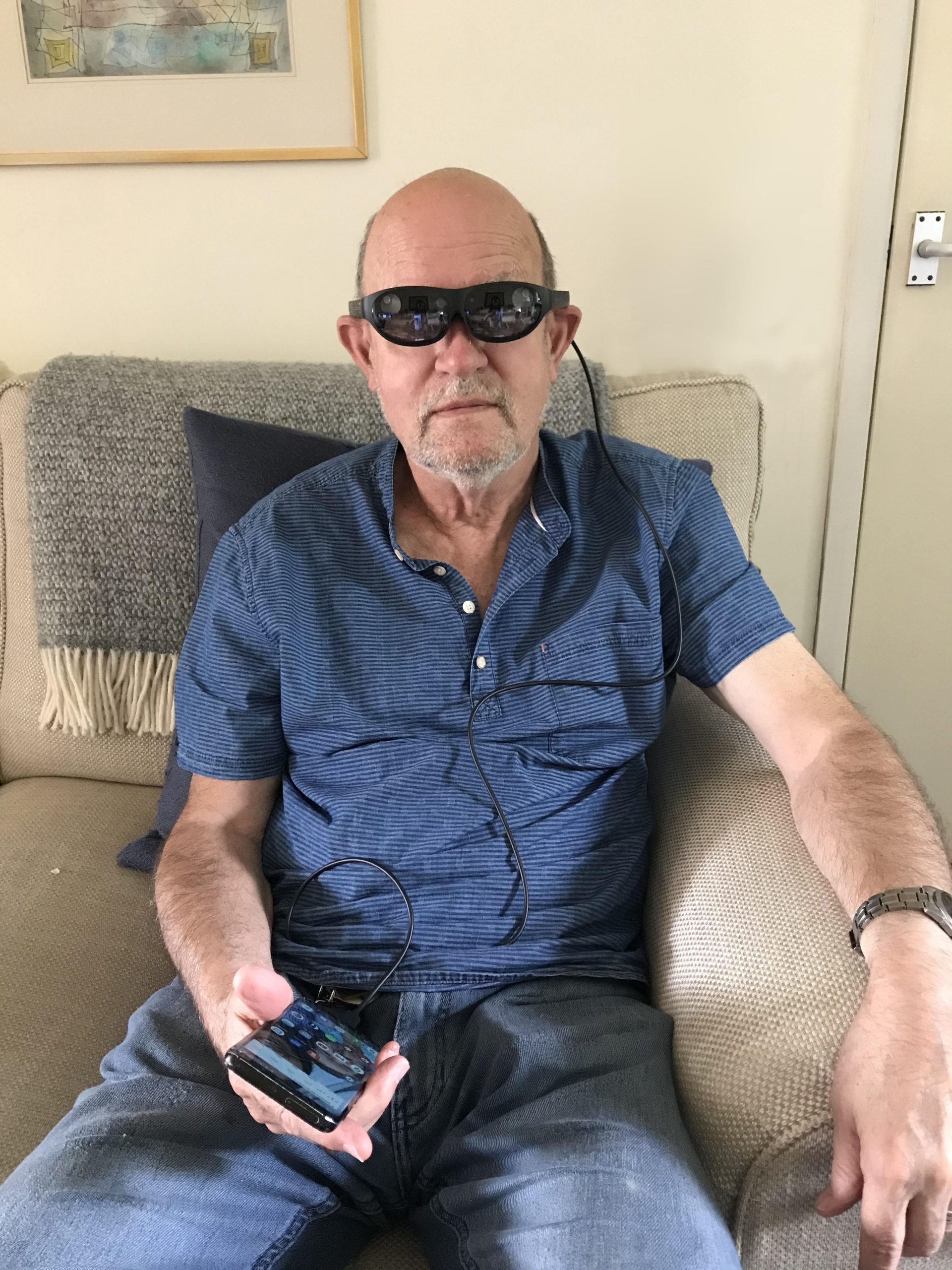
We’ve built a strong partnership with Professor David Crabb’s team at City St George’s, University of London, to address this challenge. In 2018, we funded David’s team at the ‘Crabb Lab’ to investigate whether home monitoring for glaucoma was feasible. With our help, they recruited people with glaucoma to test a tablet-based device called Eyecatcher. This resulted in the world’s first published evidence 8 9 that people with glaucoma are both willing and able to perform visual field monitoring at home, and that the results are comparable to data captured in clinic.
Since then, the team at City has formed a digital health-tech spin out, Irida Health, and raised over £600,000 in further funding from the UK government and other funders to advance this work.
Research into home monitoring of glaucoma continues. Thanks to our funding, we have evidence that it’s possible. Now, researchers are looking at whether it could be better than monitoring in a clinic, and who might benefit most.
Eyecatcher is being used in new research projects to help diagnose and monitor glaucoma worldwide, including the Australian outback and rural Nigeria. Our partnership with the Crabb Lab goes beyond funding. We connect the team with people living with glaucoma – some of you reading this may even have taken part in research or shared your views in a focus group. This crucial input helps steer the research by identifying the challenges and opportunities people with glaucoma think are most important.
Building on previous research to find new treatments

The challenge: Lowering eye pressure doesn’t always stop glaucoma from getting worse.
Our research: Identified another potential factor: how well the mitochondria in our cells are working.
Its impact: Led to a multi-centre clinical trial investigating whether daily vitamin B3 pills could slow glaucoma.
Still to do: Confirm who may benefit from vitamin B3 and by how much.
The landmark UK Glaucoma Treatment Study, published in 2014, showed conclusively that eye drops slow sight loss from glaucoma, but it also raised important questions. Half of the participants received no treatment, yet 70% of them didn’t lose any vision during the study. On the other hand, 15% of the people who did receive eye drops did lose vision. Why?
Researchers already knew that glaucoma damages the nerve cells that send signals from the eye to the brain – cells with especially high energy requirements. This led to a new line of questioning: could the function of mitochondria, the ‘batteries’ of our cells, play a role in causing glaucoma?
We funded several projects investigating the role of mitochondria in glaucoma.
One such project, led by Ted, investigated whether mitochondria have a role in normal tension glaucoma. They found that people with glaucoma have:
- lower mitochondrial function;
- lower levels of a chemical called nicotinamide (NAD), which is important for mitochondrial function.
In fact, they found that mitochondrial function may be as important as eye pressure for predicting how quickly someone will lose vision. These findings were published in Nature Medicine, one of the world’s most prestigious scientific journals.
How can we make the mitochondria work better? Perhaps we can give people high doses of vitamin B3, which our bodies use to make NAD. Ted set out to test just that as chief investigator of the NicotinAMide in Glaucoma (NAMinG) trial. This trial is testing whether vitamin B3 protects people with glaucoma from further vision loss. It’s part of an international effort, with similar projects being done in Australia, Singapore, Sweden and the USA. This has all been enabled by our support of Ted, both as Glaucoma UK Professor at UCL and in direct grants.
Comparing selective laser trabeculoplasty and eye drops
The challenge: Eye drops were the standard first line treatment for glaucoma but are inconvenient, difficult to use consistently, and may cause side effects.
Our research: Provided the critical evidence showing SLT was more effective, and cost-effective, than eye drops.
Its impact: SLT is now recommended by NICE as a first-line treatment for glaucoma, transforming glaucoma care.
Still to do: Identify who benefits most from SLT and find new treatments for people who can’t receive laser treatment or haven’t responded to it.
Various treatments are available for glaucoma. One option, selective laser trabeculoplasty (SLT), had shown promise for treating open angle glaucoma and ocular hypertension. However, for a long time, there was not enough evidence to determine who would benefit most from laser treatment, or whether it was better than the usual treatment of pressure-lowering eye drops. In particular, we needed to know whether patients preferred SLT or eye drops.
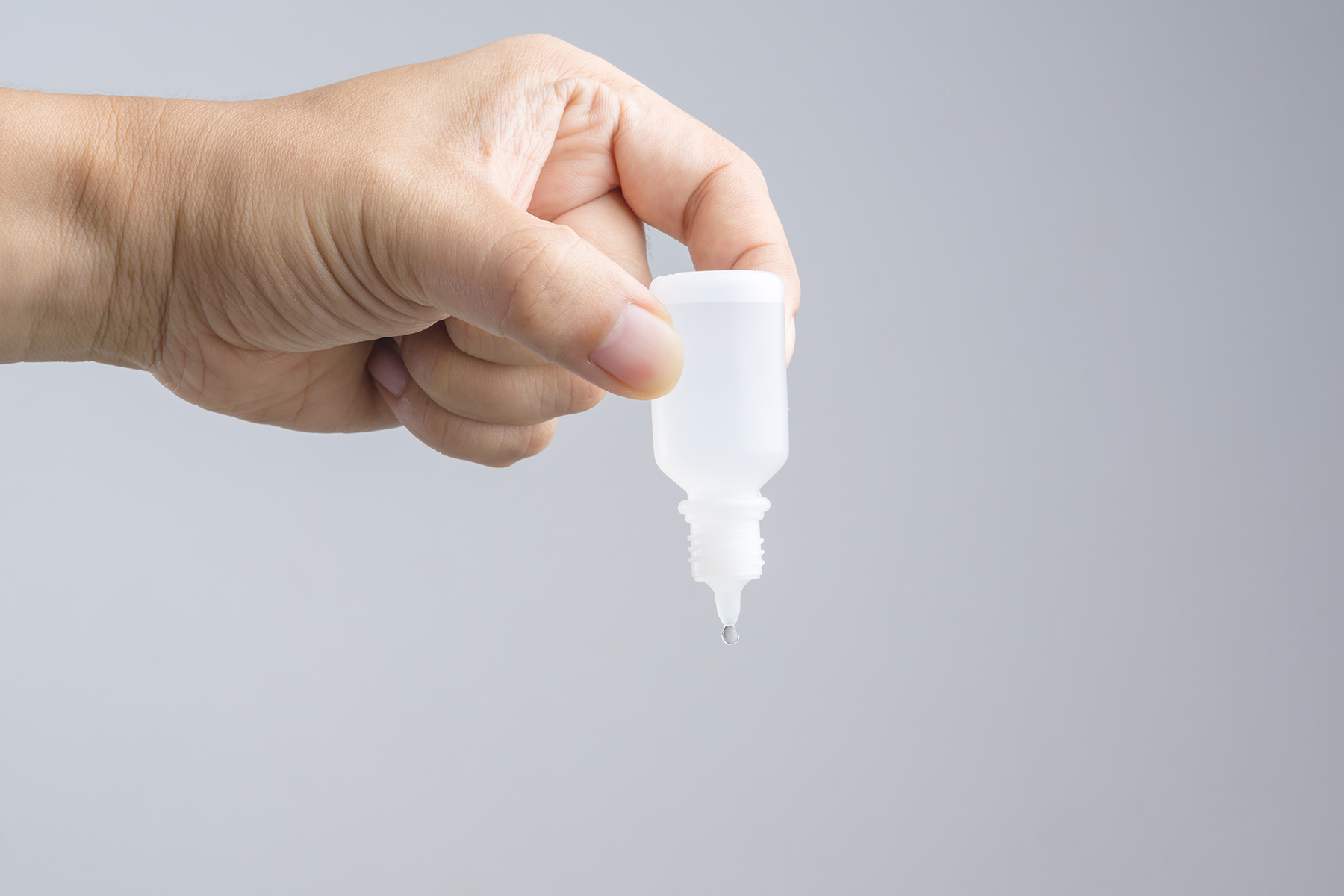
For years, the most common treatment for people with glaucoma has been pressure-lowering eye drops. But they come with challenges:
- Some people still lose vision despite using them;
- They can cause side effects such as sore eyes;
- There are practical barriers, such as remembering to put in the drops every day, or squeezing the bottle accurately.
SLT, which only takes around 10 minutes per eye and can control pressure for over six years, overcomes many of these barriers. But is it better than eye drops for people with glaucoma and for the healthcare system?
To answer this, the LiGHT trial (Laser in Glaucoma and Ocular Hypertension Trial) was launched. Funded largely by the UK government, this randomised controlled trial compared eye drops and laser treatment for people newly diagnosed with open angle glaucoma and ocular hypertension (raised eye pressure with no damage to vision). The investigators wanted to find out which treatment gave a better quality of life to patients over three years. There was no clear winner, although SLT gave long-term freedom from daily eye drops.
We funded Dr Anurag Garg to carry out additional analyses of the trial data. He looked at which treatment was clinically more effective. For example, which provided better long-term pressure or reduced the need for further surgery. His findings? SLT was superior in several areas.
This additional evidence was presented to the National Institute of Health and Care Excellence (NICE), the body that sets the framework for NHS care in England and Wales. As a result, NICE updated its recommendations, and SLT is now advised as the first-line treatment for glaucoma instead of eye drops.
Even though the LiGHT trial ended formally in 2018, we’re continuing to fund research that dives deeper into the vast quantities of data it generated. A major finding of the trial was that nearly four out of five people were drop-free three years after laser treatment. That’s an excellent outcome, unless you’re the other 1 in 5 who needs eye drops!
To address this, we funded Dr Giovanni Montesano to investigate who is most likely to benefit from different treatments, so that doctors can give more personalised advice to their patients. He has found that vision loss is 30% slower in the group of people treated with laser compared to those using eye drops – even though their eye pressures were similar. It’s a striking statistic, and is probably explained by the more consistent pressure control laser offers. While the project is ongoing, the insights which are already emerging are exciting and will help people decide about treatment options with more confidence.
Read our Research Impact Report (2015-2025) in full
Download our full impact report to read about more important studies we’ve funded.
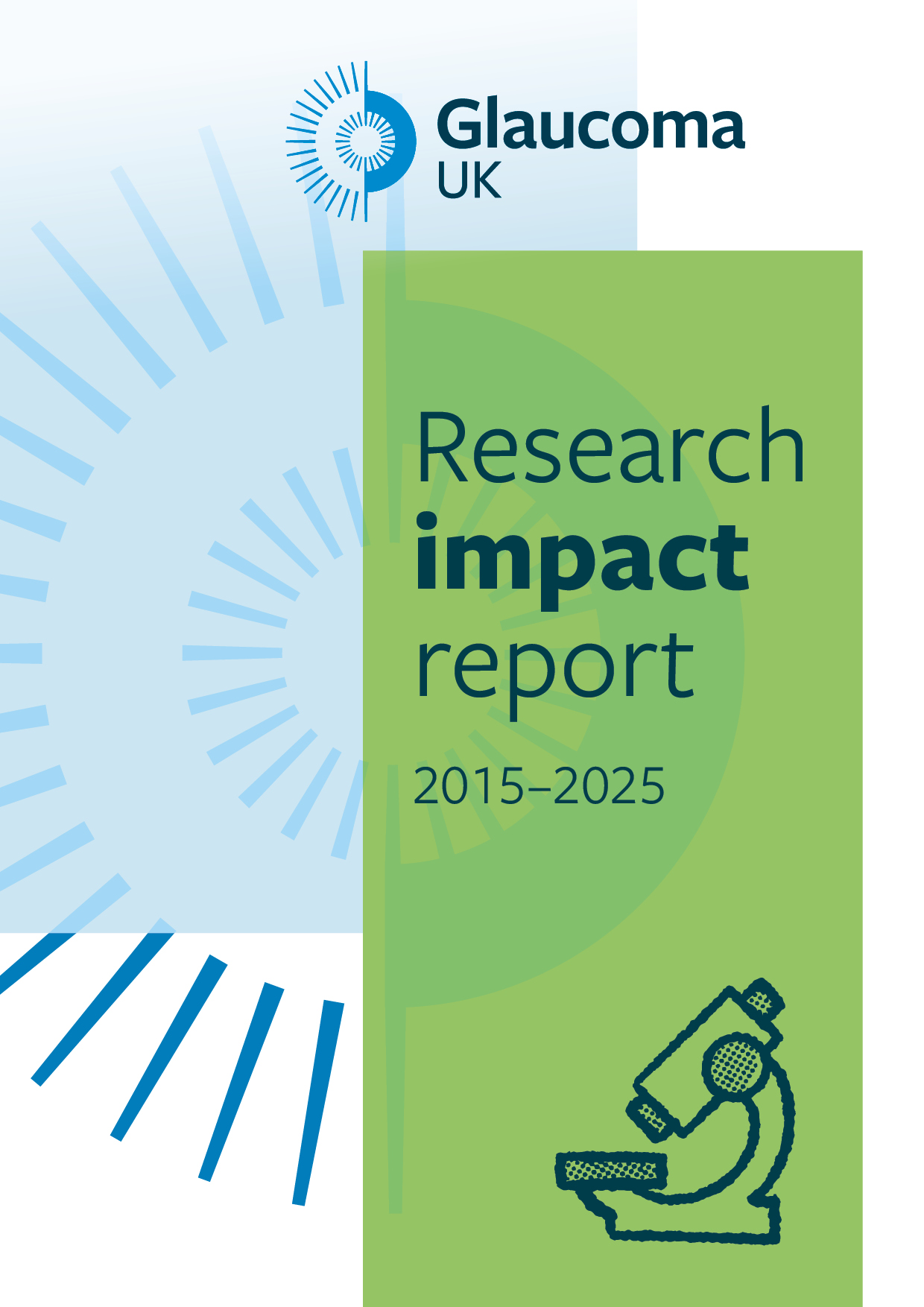
Research Impact Report 2015-2025
Thank you!
The achievements of this research don’t just belong to Glaucoma UK or the researchers we fund. They wouldn’t have happened without the support and generosity of our members and donors. So thank you, from all of us.
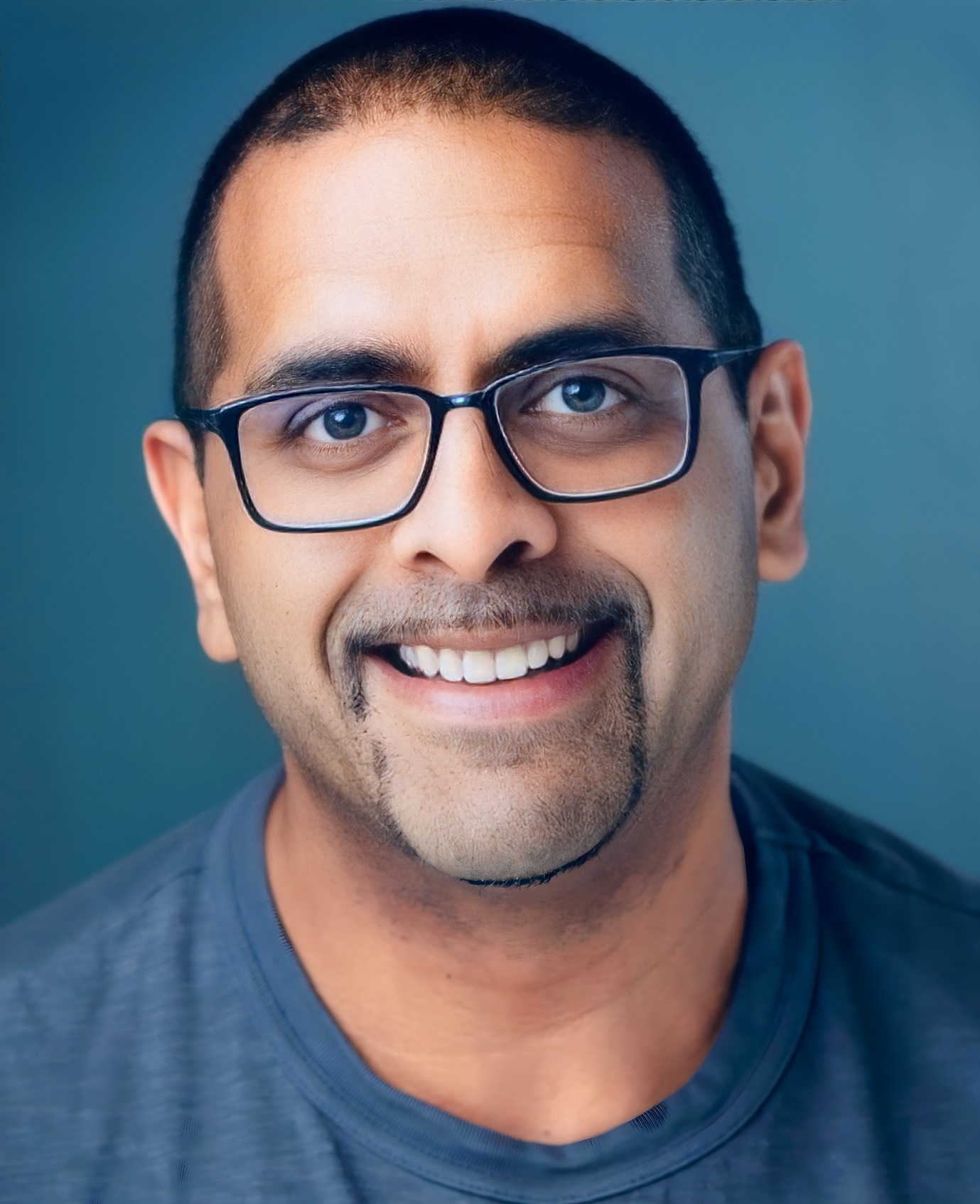
“Glaucoma UK have a critical role within the research funding ecosystem. There are few resources allocated to smaller, exploratory studies in the UK despite their importance to making new discoveries. The funding provided by Glaucoma UK is vital to ensure that such studies can be performed.”
– Dr Hari Jayaram, Director of Glaucoma Service and Clinician Scientist, Moorfields Eye Hospital, London
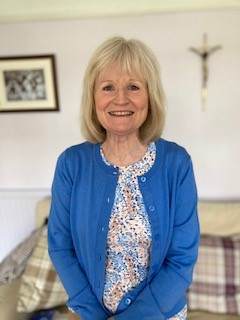
“My father lost his vision to glaucoma. I’ve had glaucoma for years and have benefited from the progress that has been made through research. But at the moment the gold standard is still the trabeculectomy. It would be good to think there was something more that could be done. My two sons know they’re at risk of glaucoma, and I would love to know their vision is safe.”
– Joan Dickson, member of Glaucoma UK for 25 years

“I am deeply grateful for the support from Glaucoma UK because investment in research is vital — it drives innovation, transforms patient care, and brings us closer to a future where preventable blindness is eradicated.”
– Associate Professor Kuang Hu, UCL Institute of Ophthalmology and recipient of 2025 project grant looking at using artificial intelligence to identify those most at risk of glaucoma sight loss
Help us fund more cutting-edge research
Can you help us fund more glaucoma research? We are entirely reliant on the generosity of our supporters, and receive no government funding. Please consider donating to help us change the outlook for people with glaucoma and make glaucoma sight loss a thing of the past.